
- Your cart is empty Browse Shop

ON-BOARD DIAGNOSTICS (OBD)
OBD stands for On-Board Diagnostics.
What It Means
In modern vehicles, OBD refers to the computer-controlled diagnostic system built right into the car. It acts as the vehicle’s central nervous system and health monitor.
The system constantly tracks the performance of key components—such as the engine, transmission, emissions equipment, and electronic sensors. If the computer detects a malfunction, out-of-spec reading, or component failure, it stores a specific diagnostic trouble code (DTC) in its memory and typically illuminates the Check Engine Light on your dashboard.
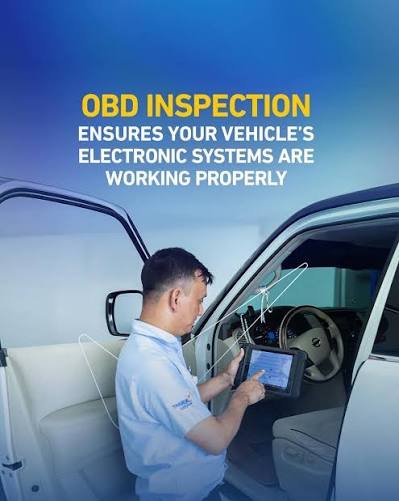
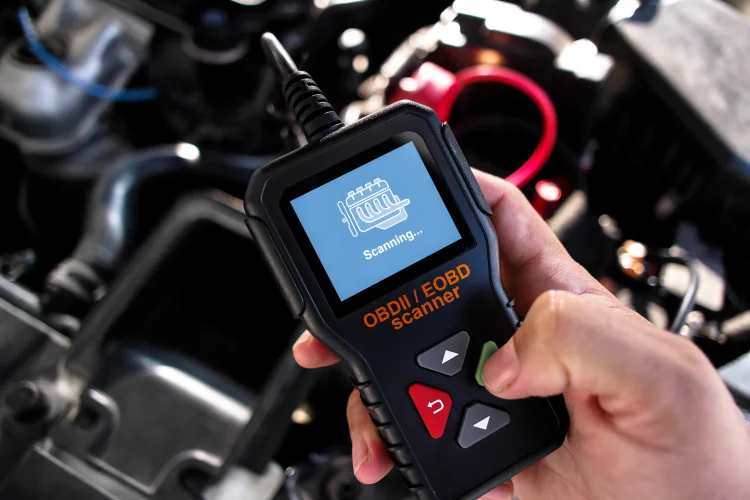
Technicians use an OBD scanner or diagnostic interface to plug directly into the vehicle’s computer port (known as the OBD-II port) to read these codes, test modules, and perform necessary software resets or calibrations after repairs.
Why OBD Matters
OBD (On-Board Diagnostics) matters because it acts as your vehicle’s central nervous system and health monitor, ensuring your car runs efficiently, safely, and cleanly.
Here is why it is so crucial:
Accurate Diagnostics —
Instead of mechanics having to guess what is wrong with your car, the OBD system constantly tracks performance across key components—like the engine, transmission, and emissions equipment. When something fails or goes out of spec, it stores a specific Diagnostic Trouble Code (DTC) and triggers your check engine light.
Emissions & Environmental Compliance —
OBD monitors help ensure your vehicle meets state and federal environmental standards by tracking emissions components like oxygen sensors and catalytic converters, preventing excessive pollution.
Fuel Efficiency & Performance —
By catching minor issues early—such as a misfire, failing fuel injector, or vacuum leak—OBD data helps mechanics correct problems before they lead to poor fuel economy, sluggish acceleration, or costly engine damage.
Seamless Repair Integration —
Modern vehicle repairs require more than just mechanical fixes; after replacing a component or module, technicians use the OBD port to perform essential software resets, relearns, and calibrations so all the car's computer systems communicate properly.
Why Professional Engine Service Matters
OUR OBD SERVICES INCLUDE:
Module Reset ($40)
Quickly restore individual parameters or an entire Electronic Control Unit (ECU) back to factory default settings, clearing persistent flags and prepping the module for new operating conditions.
Module Relearn ($80)
Program and teach your vehicle's ECU new baseline operating parameters after a component repair or replacement, ensuring seamless electronic communication across systems.
Initialize Powertrain ($360)
Comprehensive synchronization and re-flashing of your engine and transmission control systems following a major component replacement to restore optimal shift points and powertrain performance.
Code Module ($120)
Precision VIN-matching and hardware programming to code original or replacement part numbers directly onto a new module, ensuring proper integration with your vehicle's network.
Initialize System ($100–140)
System-wide reboot and calibration reset triggered immediately after replacing a mechanical or electronic component to restore factory communication loops.
Program/Flash ($340)
Advanced software installation and ECU firmware flashing to update your vehicle modules to the latest factory specifications, resolving bugs and improving overall system reliability.
Our Diagnostic Process
Master Certified Technicians
Our team is ASE-certified and highly trained to handle every make and model.
You can count on expert work done right — the first time.
Master Certified Technicians
Our team is ASE-certified and highly trained to handle every make and model.
You can count on expert work done right — the first time.
Master Certified Technicians
Our team is ASE-certified and highly trained to handle every make and model.
You can count on expert work done right — the first time.
FAQs About OBD Services
Answers to common questions about our engine repair process.
Why do I need module programming or flashing after a repair?
Modern electronic control units (ECUs) are computers tailored specifically to your vehicle. When a module, engine component, or transmission is replaced, it must be programmed, coded with your VIN, or flashed with the latest factory software so it can properly communicate with the rest of the car's computer network.
How long do OBD diagnostic and programming services take?
Simple module resets or code updates can often take 30 to 45 minutes. More complex services, such as powertrain initialization, system-wide reboots, or full ECU module flashing, can take anywhere from 1 to 2 hours depending on your vehicle's make and model.
Will an OBD scan tell me exactly what part is broken?
An OBD scan provides specific trouble codes that point technicians toward the failing system or sensor. However, interpreting those codes requires professional expertise and advanced testing to determine whether the issue stems from a failing component, a wiring fault, or a software calibration error.
all services
why choose us
contact us
(760) 855-2004
Mon - Fri: 8:00 AM - 5:00 PM